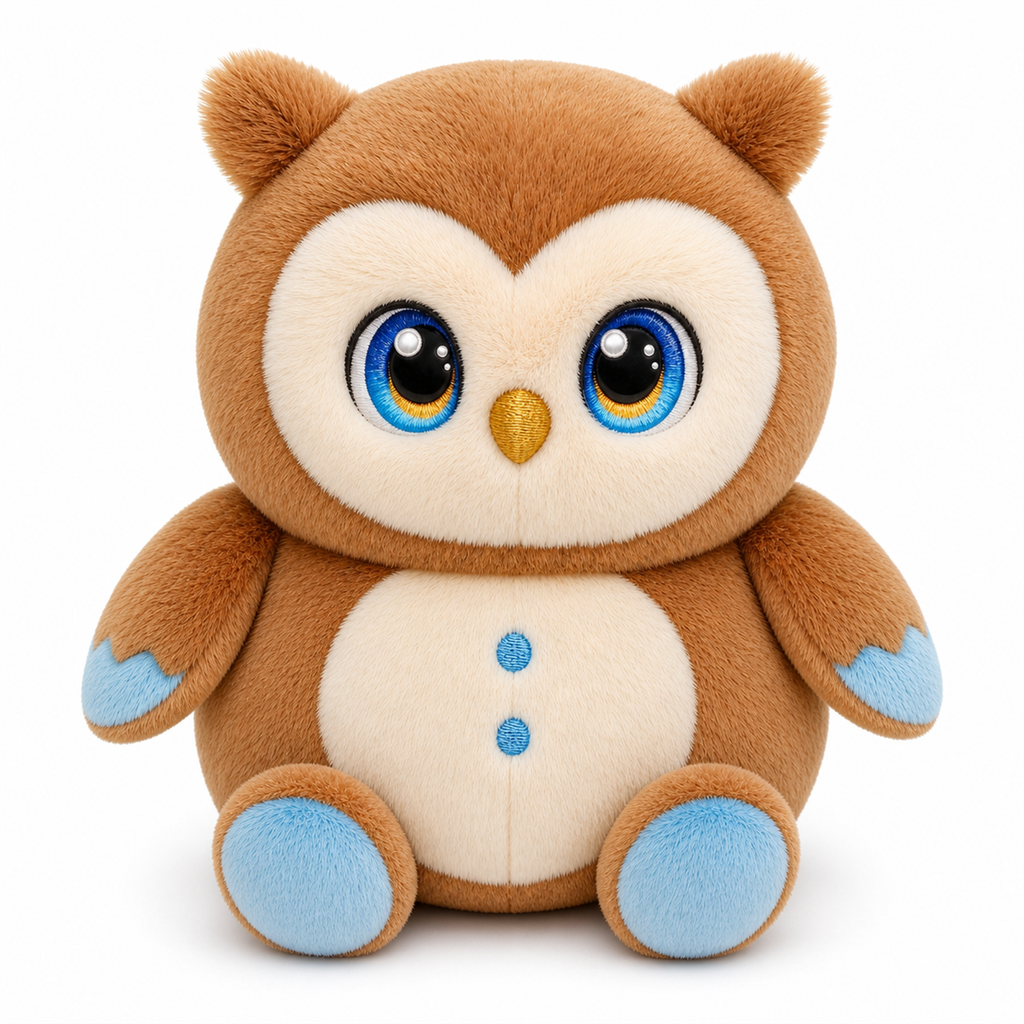
Start with product classification and age grade
The intended user, play pattern, materials, electronics and destination determine which requirements may apply. A plush character with a removable sound unit is not automatically equivalent to a connected rechargeable toy. Age grading affects small parts, access, cords, seams and foreseeable use. The customer and testing partner should review the complete product, packaging and instructions rather than choosing standards from a generic list.
EU planning: toy safety and electronic functions
EU toy programs commonly consider EN71 mechanical and physical properties, flammability and relevant chemical requirements. Electronic or radio functions can introduce EMC, radio, electrical, substance and documentation obligations depending on the design. CE marking represents the manufacturer’s conformity process, not simply a logo purchased from a laboratory. Technical documentation, risk assessment, declarations, labels and traceability need to match the production product.
US planning: children’s product requirements
US children’s products may require testing to applicable consumer product safety rules and a Children’s Product Certificate based on results from an accepted laboratory. Lead, phthalates, small parts, use and abuse, tracking labels and other requirements can depend on the product and age group. Wireless modules and digital devices may also introduce FCC considerations. The exact plan should be confirmed for the final configuration and sales channel.
Connected features add design questions
Microphones, cloud processing, accounts, apps and updates create privacy and security questions beyond mechanical compliance. Product teams should minimize data, document permissions, plan parental controls and define update support. Battery charging, thermal behavior, connector access, radio performance and electromagnetic emissions should be evaluated with production-intent hardware inside the final toy structure. A certified module does not automatically certify the complete toy.
Control samples and engineering changes
Certification samples should represent the intended materials, components, firmware, construction and labeling. Keep a controlled BOM, model list, artwork, photographs and sample record. If a fabric, battery, PCB, speaker, enclosure or firmware behavior changes, review whether previous evidence remains applicable. The strongest compliance process connects laboratory reports with purchasing, incoming inspection, assembly instructions and outgoing quality checks.
How Joy supports the process
Joy coordinates technical information, samples and project milestones with the Xinditai team and external testing partners. The public portfolio includes complete report pages for current interactive plush toy work and clearly dates an older factory audit archive rather than presenting it as current. Reports demonstrate experience but do not replace a product-specific test plan. Customers should obtain professional confirmation for their destination and business responsibilities.
Frequently asked questions
Questions buyers ask before development
Does an AI toy always need EN71?
EN71 is relevant to EU toy safety, but applicability and parts depend on product classification and market.
Does a certified wireless module cover the complete product?
No. Integration, antenna, power, enclosure and complete-product requirements still need review.
Can one report cover every model?
Only when model relationships and differences are properly assessed and accepted by the responsible conformity process.