Project context
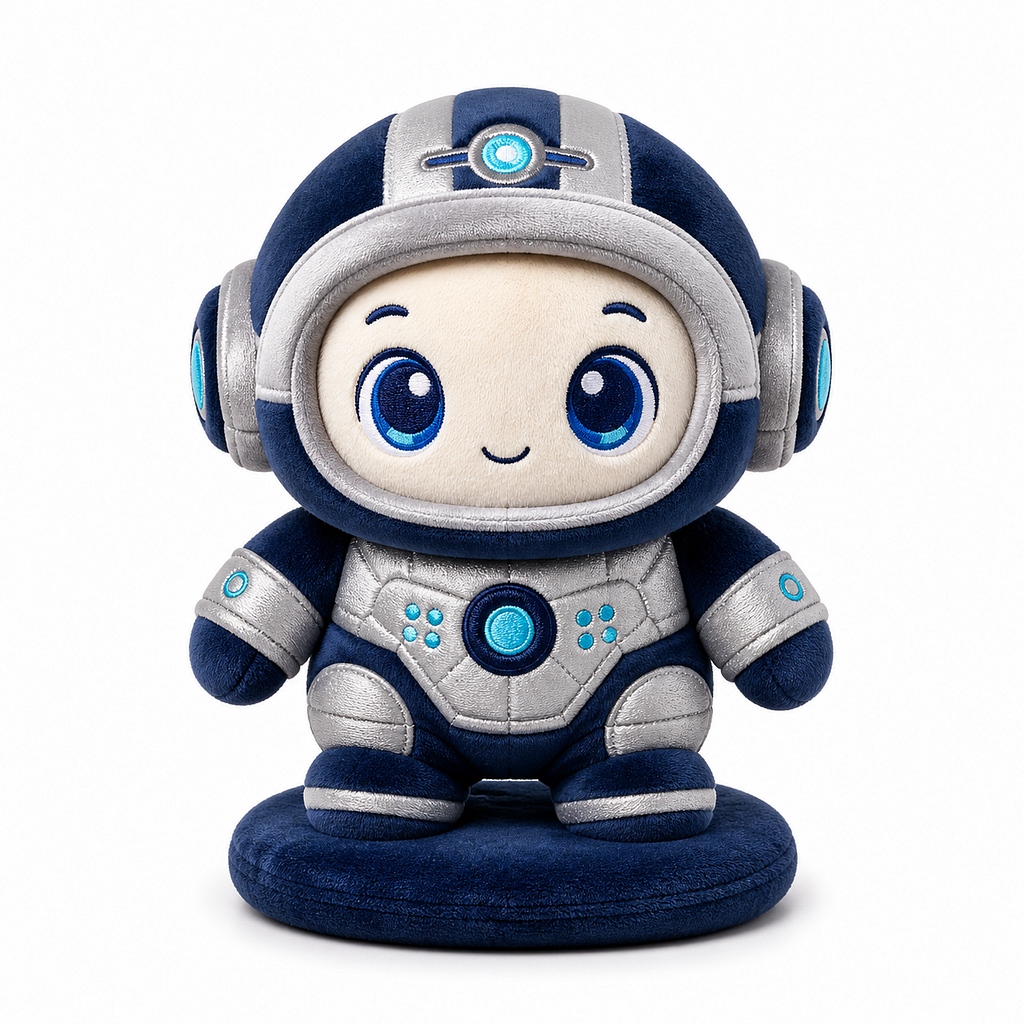
The project began in February 2026 for the US market and combines an ESP32-based smart toy architecture with a plush character and companion app. The published quantity is more than 10,000 units. Customer identity and confidential engineering details are not disclosed. The case is presented as shared team work, with Joy coordinating requirements, feedback and delivery milestones between the customer and the project team.
Why system coordination mattered
The user experiences the toy, wireless setup, audio response and app as one product. Electronics influence plush dimensions and weight; the antenna environment affects connectivity; microphone and speaker placement affect interaction; and firmware behavior must match app screens. Treating these as separate purchases would create integration gaps. The program therefore required milestone decisions that considered the complete physical and digital experience.
From proof of concept to production intent
Early work focuses on the core interaction and the major feasibility risks. Later samples need the intended PCB, audio arrangement, power solution and plush structure. Production-intent validation also considers programming, assembly order, functional tests, packaging and reset procedures. A sample that demonstrates conversation is not yet evidence that thousands of consistent units can be assembled, tested and supported.
US-market preparation
The product plan needed to consider toy safety, children’s product requirements and the electronic or wireless functions relevant to the final design. Certification scope belongs to the complete configuration, including materials, battery access, electronics, firmware behavior, labels and packaging. The project team coordinates samples and information, while qualified testing and compliance professionals determine the applicable requirements and formal conclusions.
Production and quality thinking
Scaling requires controlled files, approved samples, component purchasing, incoming checks, assembly instructions and repeatable functional testing. For a connected toy, testing may include power, buttons, lights, microphone, speaker, wireless behavior, device identity and firmware version. Defect handling should separate cosmetic, mechanical, electronic and software symptoms so the team can identify root causes instead of only replacing finished products.
What buyers can learn from this case
A large AI toy program benefits from early interface definition, realistic prototype stages and clear change control. The AI experience may attract attention, but dependable production relies on ordinary engineering discipline. Buyers should define ownership, acceptance criteria, data responsibilities and support plans before volume commitments. Joy’s coordination role keeps these decisions visible while specialist team members perform the underlying engineering and manufacturing work.
Frequently asked questions
Questions buyers ask before development
Is the customer name public?
No. The case shares verified scope facts while protecting customer identity and confidential details.
Was this Joy’s individual project?
No. It is a Xinditai team project; Joy coordinated customer communication and milestones.
Can the same design be copied?
No. New projects require their own requirements, design work, rights and compliance plan.